Blog
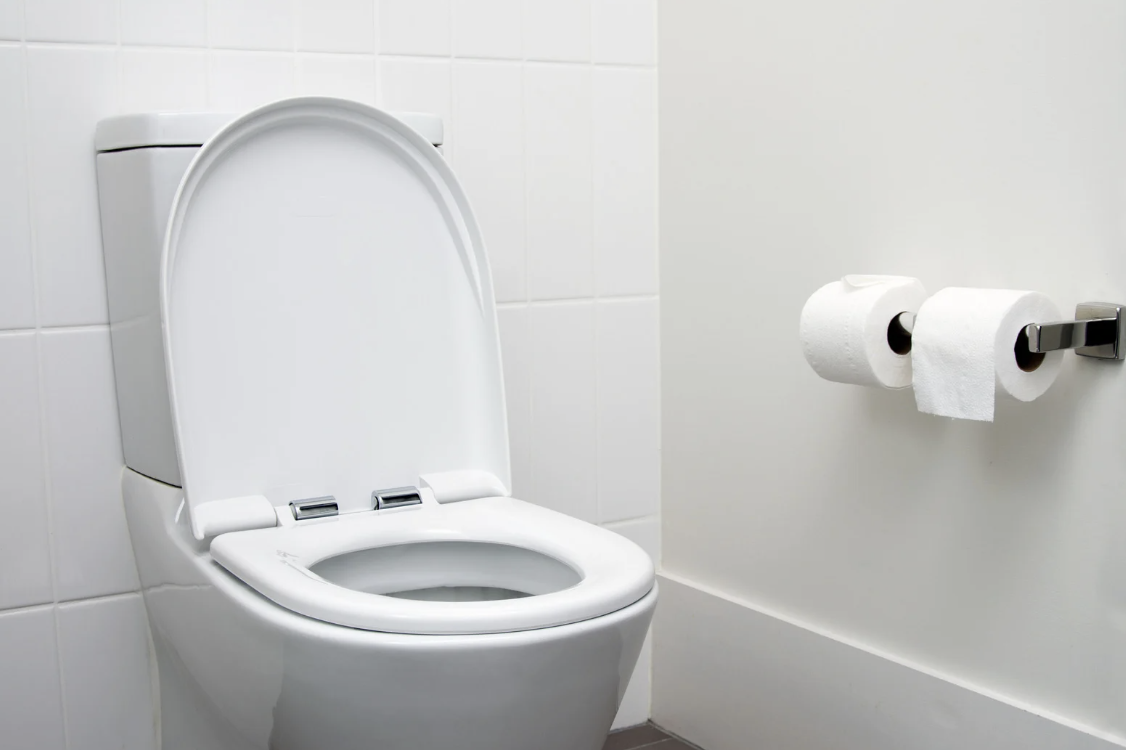
A clogged toilet is never convenient, and it’s even more stressful when you realize you don’t have a plunger nearby. The good news? Many minor toilet clogs can be cleared using simple household items you already have. Aim Plumbing California is here to guide you through the easiest, safest ways to get your toilet flowing again—no plunger required.
Why Toilets Get Clogged
Even well-maintained toilets can clog from time to time. Common causes include excess toilet paper, low-flow toilet issues, flushing non-flushable items, or built-up waste. Before you panic, rest assured that most small blockages loosen on their own with the right method.
Method 1: Hot Water & Dish Soap
This is one of the simplest and most effective ways to break down a clog.
Step 1: Add about a cup of liquid dish soap to the toilet bowl.
Step 2: Heat a pot of water until it’s hot but not boiling—boiling water can crack the porcelain.
Step 3: Pour the hot water slowly into the bowl.
Step 4: Wait 10–15 minutes for the soap and heat to loosen the blockage.
You may hear the water drain or see the water level drop—this is a good sign!
Method 2: The “Toilet Wiggle”
Sometimes, gentle movement helps shift the clog.
Step 1: Put on gloves.
Step 2: Carefully rock the toilet bowl water back and forth using slow pushing motions.
This creates pressure waves that can help move the blockage down the trapway.
This method works best on light or partial clogs.
Method 3: Baking Soda & Vinegar
These two ingredients create a fizzy reaction that can loosen debris.
Step 1: Pour one cup of baking soda into the bowl.
Step 2: Slowly add two cups of vinegar.
Step 3: Allow the mixture to foam and sit for 20–30 minutes.
Step 4: Flush the toilet to check if the clog cleared.
If the clog remains, repeat once more.
Method 4: Use a Wire Hanger
For clogs closer to the surface, a wire hanger can work as a makeshift tool.
Step 1: Straighten a wire hanger and wrap the end with a cloth to avoid scratching the porcelain.
Step 2: Insert it gently into the trap opening.
Step 3: Use slow, circular motions to loosen and push the clog through.
Be careful not to force it—gentle movements are key.
Method 5: Let It Sit
Sometimes, gravity and time do the work for you.
Step 1: Leave the toilet alone for a few hours or overnight.
Step 2: The water pressure may naturally break down the clog.
Step 3: Flush in the morning to check progress.
This is especially effective for organic waste or toilet paper buildup.
When It’s Time to Call Aim Plumbing California
If none of these methods work, your toilet may have a deeper blockage, a sewer issue, or a mechanical problem. That’s when it’s best to bring in the professionals. Aim Plumbing California offers fast, reliable drain and toilet unclogging services with experienced plumbers who get the job done safely—and without the mess.
From emergency clogs to full plumbing repairs, our team is here when you need us. A clogged toilet doesn’t have to derail your day—try these easy fixes first, and when you need expert help, Aim Plumbing California is just a call away.
Consistent water pressure is a convenience that’s central to everyday comfort. Whether you’re trying to rinse shampoo from your hair, fill a pot for dinner, or run the dishwasher, weak water flow makes simple tasks feel like ordeals. The good news? A qualified plumber can diagnose and fix low water pressure issues, often more quickly than most homeowners expect.
Low water pressure rarely fixes itself, though. While you might be tempted to live with a dribbling faucet or a lackluster shower, the underlying cause often worsens over time. Knowing what’s happening in your plumbing system and knowing when to call a professional can save you from more expensive repairs down the road.
Common Causes of Low Water Pressure
Several factors can reduce water pressure throughout your home or in specific fixtures. Identifying the root cause is the first step toward restoring strong, reliable flow.
Mineral buildup in pipes
Hard water contains high concentrations of calcium and magnesium. These minerals gradually accumulate inside your pipes, forming limescale deposits that narrow the passages through which water flows. Over months and years, this buildup significantly restricts flow. The effect is similar to cholesterol narrowing arteries, with less space translating to weaker water pressure.
Homes in areas with hard water are more likely to experience this problem. You might notice reduced water pressure at multiple fixtures simultaneously, especially in older plumbing systems where deposits have had decades to accumulate.
Leaks in the plumbing system
Hidden leaks divert water before it reaches your faucets and showerheads. Even small leaks reduce overall system pressure. A crack in a pipe behind a wall or under the foundation can waste hundreds of gallons daily while leaving you with weak flow at every fixture.
Leaks don’t always announce themselves with visible water damage. Sometimes, the only sign is mysteriously low pressure coupled with an unexpectedly high water bill.
Failing pressure regulator
The pressure regulator controls the force at which water enters your home from the municipal supply. This bell-shaped device typically sits near your main water shutoff valve. When it malfunctions, pressure throughout your entire home drops.
Pressure regulators typically last 10 to 15 years. If yours is older or has never been serviced, it might be the culprit.
Partially closed shut-off valve
Every home has a main water shutoff valve, and individual fixtures often have their own supply valves. If someone partially closed one of these valves during a repair and forgot to reopen it, you’ll experience reduced pressure.
This is one of the more straightforward explanations, although it’s often overlooked during troubleshooting.
Municipal water supply issues
Sometimes the problem originates with your local water utility rather than your home’s plumbing. Maintenance work, system failures, or high demand during peak usage times can temporarily reduce water pressure across an entire neighborhood.
If your neighbors are experiencing similar issues, the problem likely lies outside your property lines.
Why DIY Fixes Don’t Always Work
It’s tempting to try quick fixes when water pressure drops. Unfortunately, temporary solutions seldom address the underlying problem and can sometimes make matters worse.
Temporary fixes vs. underlying issues
Removing and cleaning aerators on faucets might improve flow temporarily if mineral deposits have clogged the screens. However, if limescale has built up inside your pipes, this quick fix won’t address the real issue. You’ll see a brief improvement before the pressure drops again.
Similarly, cranking up a pressure regulator without understanding why it was set at a certain level can create new problems. Excessively high pressure can damage pipes, appliances, and fixtures, potentially causing leaks or bursts.
Risks of damaging pipes or fixtures
Without proper tools and knowledge, DIY attempts can damage plumbing components. Using excessive force to remove a stuck valve might crack pipes. Chemical drain cleaners intended to dissolve buildup can corrode the interior of pipes. Over-tightening connections leads to cracked fittings and leaks.
Professional plumbers have specialized equipment and training to address problems without creating collateral damage.
How a Professional Plumber Diagnoses the Problem
Aim Plumbing’s certified technicians use systematic approaches to pinpoint precisely what’s causing low water pressure in your home.
Pressure testing and leak detection tools
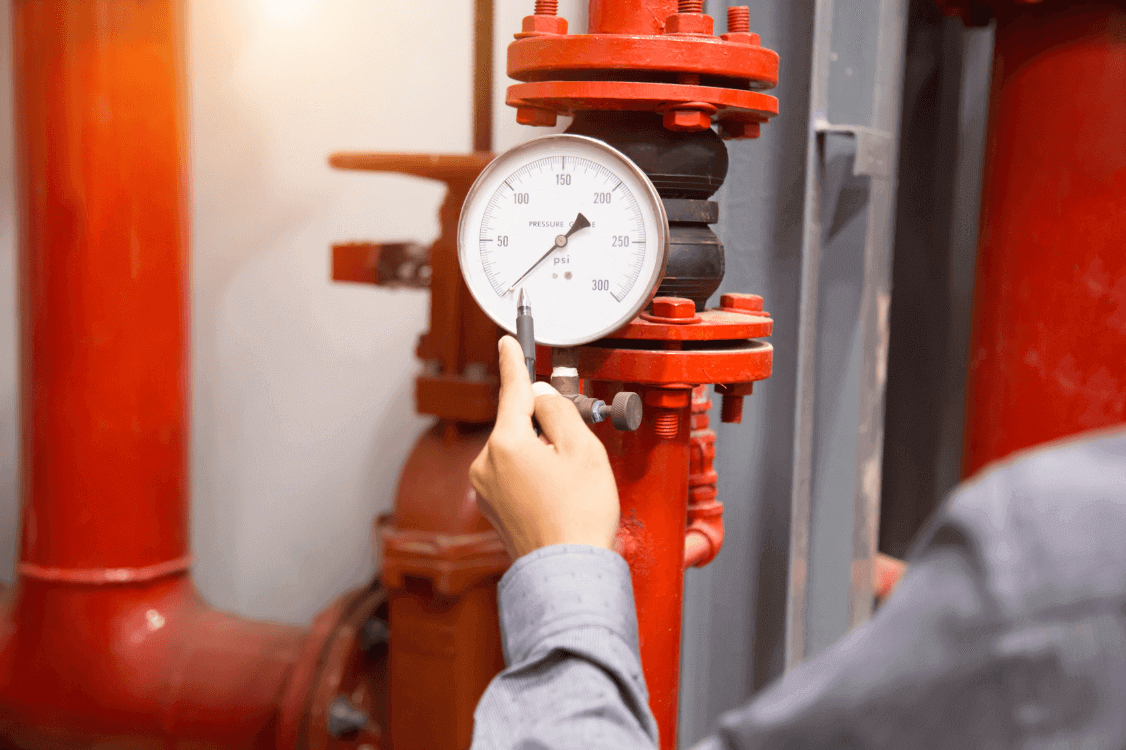
Plumbers measure water pressure at various points using precise gauges. Normal residential water pressure ranges from 40 to 60 psi (pounds per square inch). Readings outside this range indicate a problem requiring investigation.
For suspected leaks, professionals employ acoustic listening devices, thermal imaging cameras, and pressure drop tests. These tools locate hidden leaks without unnecessary demolition.
Inspecting main water lines and fixtures
A thorough inspection examines the pressure regulator, main shutoff valve, and supply lines throughout your home. Plumbers check for corrosion, limescale accumulation, and signs of wear. They also test individual fixtures to determine whether the problem affects the entire system or specific areas.
Older homes may have galvanized steel pipes that corrode internally over time. Identifying pipe material helps establish whether replacement is necessary.
Assessing whether it’s a home or city supply issue
Experienced plumbers can differentiate between problems originating in your home and those in the municipal supply. They might check pressure at the meter or consult with local utility providers. This distinction is critical as it determines who’s responsible for repairs and prevents you from paying to fix problems outside your control.
Professional Solutions for Low Water Pressure
Once the cause is identified, professional plumbers implement targeted solutions that restore proper water pressure.
Cleaning or replacing clogged pipes
For pipes with significant mineral buildup, plumbers may use descaling treatments or hydro-jetting equipment that blasts away mineral deposits with high-pressure water. In severe cases where buildup has caused extensive narrowing or corrosion, replacing affected sections of piping provides a permanent solution.
Modern materials like PEX (cross-linked polyethylene) resist mineral buildup better than older materials and install more quickly.
Adjusting or replacing the pressure regulator
If the regulator is improperly adjusted, a plumber can calibrate it to deliver optimal pressure. When the device has failed, replacement is straightforward and immediately restores proper pressure throughout your home.
A new pressure regulator typically costs between $250 and $500 installed, a modest investment that protects your entire plumbing system from pressure-related damage.
Repairing or replacing faulty valves or lines
Leaking pipes require repair or replacement, depending on the extent of the damage. Corroded shutoff valves get replaced with modern ball valves that operate smoothly and seal reliably. Supply lines to fixtures are checked for kinks, damage, or restrictions.
Addressing leaks restores pressure, prevents water damage, and reduces utility costs.
Upgrading old plumbing systems
Homes with outdated plumbing often benefit from system upgrades. Replacing galvanized steel pipes with copper or PEX eliminates corrosion issues while improving flow. Upgrading to larger-diameter supply lines increases capacity, supporting higher pressure at multiple fixtures simultaneously.
While whole-system repiping is a substantial investment, it eliminates recurring pressure problems and adds value to your property.
Preventing Future Water Pressure Problems
Proactive maintenance keeps your plumbing system functioning optimally and prevents pressure issues from developing.
Routine plumbing maintenance
Annual inspections by certified plumbers catch minor problems before they escalate. During maintenance visits, technicians check pressure levels, inspect for leaks, test the pressure regulator, and examine visible pipes for signs of corrosion or mineral buildup.
Think of plumbing maintenance like dental checkups: regular attention prevents major problems.
Water softeners to reduce mineral buildup
If you live in an area with hard water, installing a water softener system prevents limescale accumulation. These systems remove calcium and magnesium before water enters your plumbing, protecting pipes, fixtures, and appliances from mineral deposits.
Water softeners also extend the lifespan of water heaters, dishwashers, and washing machines while reducing soap and detergent consumption.
Regular inspection by certified plumbers
Establishing a relationship with a trusted plumbing service, such as Aim Plumbing, ensures prompt attention when issues arise. Regular customers often receive priority scheduling and benefit from technicians familiar with their home’s specific configuration.
Aim Plumbing’s maintenance plans provide scheduled service and peace of mind, keeping your system running smoothly year-round.
Restore Your Water Pressure Today
Low water pressure diminishes comfort and convenience and may signal serious plumbing problems. Whether caused by mineral buildup, leaks, regulator failure, or aging infrastructure, professional diagnosis and repair restore strong, consistent flow throughout your home.
Don’t let weak water pressure slow down your day. The experienced technicians at Aim Plumbing have the tools, knowledge, and expertise to identify the cause and implement lasting solutions. From simple adjustments to complete system upgrades, we deliver quality service you can trust.Schedule your service with Aim Plumbing today and enjoy powerful, consistent water flow in every room. Your plumbing system deserves expert care, and your home deserves reliable water pressure. Call us at (951) 658-3359 or (619) 788-7141. Alternatively, fill in a short contact form on our website.
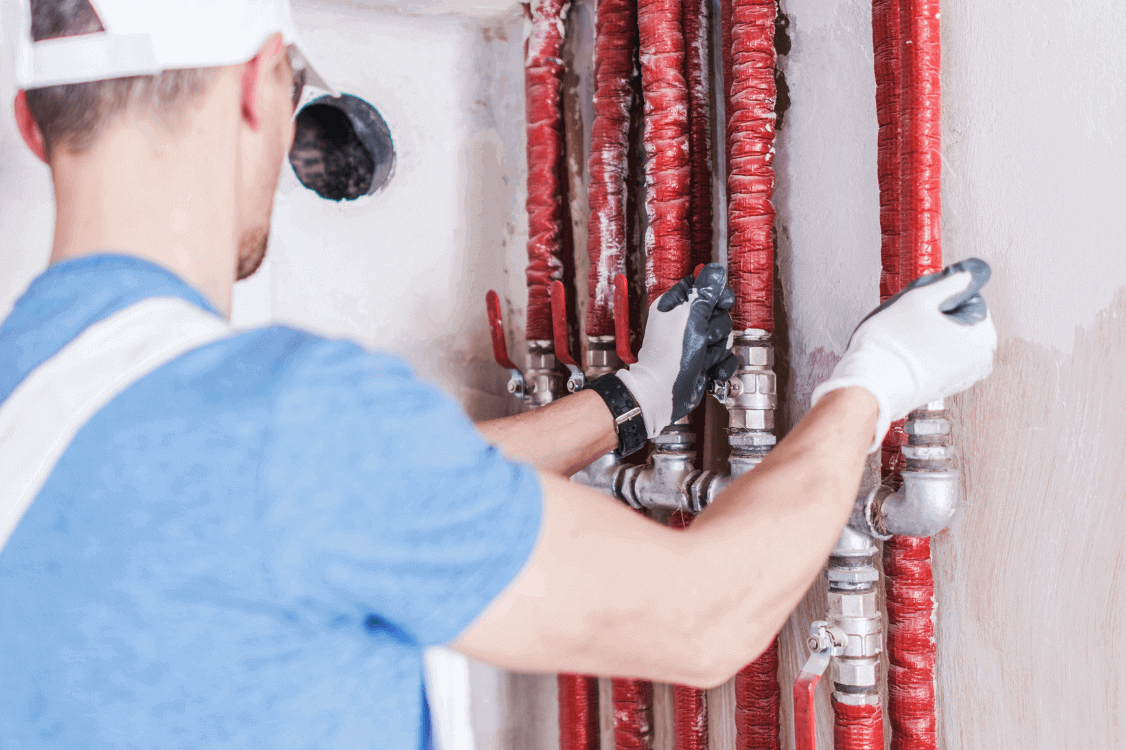
Water lines form the backbone of your home’s plumbing system, delivering clean water from municipal supplies or wells to every faucet, shower, and appliance. Most homeowners never think about these underground pipes until something goes wrong. Knowing how water lines function and recognizing early signs of problems helps you protect your property and maintain consistent water quality.
Proper water line maintenance ensures reliable pressure, prevents contamination, and avoids costly emergency repairs. When these pipes develop issues, the consequences range from inconvenient to catastrophic. This page outlines what water lines are, how they work, and what to do when problems arise.
Understanding What a Water Line Does
The water line system in your homes consists of distinct components, each serving specific functions in delivering water where you need it.
Definition and function of the main water line
The main water line is the primary pipe that connects your home to the municipal water supply or private well. This line carries all the water used in your household, typically entering through the foundation or basement. It runs from the water meter (in city-supplied systems) or pressure tanks (in well systems) to the point where it branches into smaller distribution pipes.
Think of the main water line as a highway. It handles the highest volume of water flowing into your property at the greatest pressure. Any disruption to this line affects water delivery throughout your entire home.
Difference between main line and branch lines
Once the main water line enters your home, it splits into branch lines that distribute water to individual fixtures and appliances. These smaller pipes run through walls, floors, and ceilings to reach bathrooms, kitchens, laundry rooms, and outdoor spigots.
Branch lines operate under the same pressure as the main line but carry less total volume since they serve specific areas. A leak in a branch line affects only certain fixtures, while a main line problem generally impacts your entire water supply.
Overview of materials used
Water line materials have evolved significantly over the decades. Each material offers distinct advantages and potential vulnerabilities.
- Copper pipes dominated residential plumbing for much of the 20th century. They resist corrosion well, tolerate high temperatures, and can last 50 years or more. That said, copper is expensive and vulnerable to acidic water conditions.
- PVC (polyvinyl chloride) pipes are lightweight, affordable, and corrosion-resistant. They work well for cold-water applications but aren’t suitable for hot-water lines due to temperature limitations.
- PEX (cross-linked polyethylene) is a contemporary plumbing innovation. These flexible pipes install quickly, resist mineral buildup and freezing better than rigid materials, and cost less than copper. PEX has become the preferred choice for new construction and repiping projects.
- Galvanized steel pipes may still be present in some older homes. These pipes corrode internally over time and should be replaced when problems develop.
How Water Lines Work in Your Home
Understanding the water delivery process helps you recognize when something isn’t functioning correctly.
The journey of water from the municipal supply to your faucet
Water begins its journey at a municipal treatment facility or well pump. City water travels through large distribution mains under streets before connecting to your property through a service line. At the property boundary, water passes through a meter that measures consumption for billing purposes.
From the meter, water enters your main line at pressure provided by the municipal system or well pump. This is typically between 40 and 60 psi (pounds per square inch). This pressure pushes water through your home’s plumbing network without requiring additional pumps for most single-story and two-story homes.
A pressure regulator near the main shutoff valve moderates incoming pressure, protecting your pipes and fixtures from damage caused by excessive force. The main line then branches into hot- and cold-water distribution systems. Cold water lines run directly to fixtures, while a separate line feeds your water heater to supply hot water throughout the home.
Importance of proper water pressure and flow
Adequate pressure ensures that water reaches second-floor bathrooms and operates appliances efficiently. Too little pressure creates weak flow and operational problems. Excessive pressure stresses pipes, causes leaks, and shortens the lifespan of appliances and fixtures.
Consistent pressure throughout your home indicates a healthy water line system. Fluctuating or declining pressure often signals developing problems that require professional attention.
The connection between water lines and shut-off valves
Every water line system includes shutoff valves that control flow. The main shutoff valve (located where the water line enters your home) stops all water flow to your property. This valve lets you stop water flow immediately during plumbing emergencies.
Individual fixtures usually have dedicated shutoff valves on their supply lines. These allow isolated repairs without disrupting water service to the entire house. Knowing valve locations and ensuring that they operate smoothly is essential for protecting your home from water damage.
Common Water Line Issues
Several problems commonly affect water lines, each producing distinct symptoms that alert observant homeowners to underlying issues.
Leaks
Water line leaks waste resources, increase utility costs, and cause property damage. Underground leaks are particularly problematic because they go unnoticed until significant damage occurs. Persistent wet spots in your yard, unexpectedly high water bills, or the sound of running water when all fixtures are off signal potential leaks.
Small pinhole leaks in copper pipes can develop due to water chemistry or galvanic corrosion. Larger ruptures occur when pipes freeze and burst or when aging materials fail.
Corrosion
Corrosion deteriorates pipes from the inside out. Galvanized steel pipes are especially vulnerable, developing rust that narrows pipe interiors and contaminates water. Even copper pipes can corrode in areas with acidic water or under certain soil conditions.
Discolored water, mainly brown or reddish tints, suggests corrosion. As deterioration progresses, weakened pipe walls become prone to leaks and ruptures.
Tree root intrusion
Tree and shrub roots naturally seek water sources. They infiltrate underground water lines through tiny cracks or loose joints, then expand inside pipes as they grow. This intrusion blocks the flow and can eventually rupture pipes.
Homes with mature landscaping near water line paths face a higher risk. Slow drains, gurgling sounds, and unexplained pressure drops may indicate root infiltration.
Mineral buildup
Hard water deposits minerals inside pipes over time. Calcium and magnesium accumulate as limescale, gradually restricting flow. While this process affects branch lines and fixtures most visibly, main water lines also experience buildup that reduces effective diameter.
Declining water pressure affecting multiple fixtures simultaneously is often due to mineral accumulation rather than single-point blockages.
How to spot early signs
Vigilance helps catch water line problems before they escalate. Watch for these warning indicators:
- Low water pressure throughout your home suggests main line issues. If only specific fixtures show reduced pressure, branch lines, or the fixtures themselves are more likely culprits.
- Discolored water, especially when it appears rust-colored or cloudy, indicates corrosion or sediment in your lines. While sometimes caused by municipal system maintenance, persistent discoloration warrants investigation.
- Pooling water or unusually lush grass patches in your yard signal underground leaks. Water escaping from buried pipes surfaces in low areas or promotes excessive plant growth near the leak.
- Unexplained increases in water bills, without corresponding changes in usage, point to hidden leaks that waste water before it reaches your fixtures.
- Strange sounds, like hissing or running water, even when everything is turned off, reveal active leaks somewhere in your system.
Repair or Replace: What to Do When Problems Arise
Deciding between repair and replacement depends on the severity of the problem, your system’s age, and long-term cost considerations.
When minor repairs are enough
Small, isolated leaks in accessible locations often qualify for simple repairs. A pinhole leak in an exposed section of copper pipe can be patched or the damaged section replaced without overhauling the entire system. Similarly, a leaking joint might only require tightening or replacing gaskets.
If your water lines are relatively new and constructed from durable materials, targeted repairs make economic sense. Problems caused by external factors, such as accidental damage from excavation, don’t necessarily indicate systemic failure.
When full replacement is needed
Widespread corrosion, multiple leak points, or pipes nearing the end of their service life warrant replacement rather than ongoing repairs. Galvanized steel pipes showing signs of deterioration should be replaced entirely, as corrosion will continue spreading throughout the system.
Homes experiencing recurring water line problems benefit from comprehensive replacement. While the upfront cost is higher, new lines eliminate ongoing repair expenses and provide decades of reliable service.
Age matters significantly. If your water lines are 40 to 50 years old or more, replacement prevents future emergencies and the extensive water damage they cause.
Why professional inspection matters
Only trained plumbers with specialized equipment can accurately assess the condition of the water line. Professional inspection includes pressure testing, leak detection using acoustic sensors or thermal imaging, and sometimes camera inspection of pipe interiors.
These assessments reveal problems that are invisible to homeowners, such as internal corrosion, developing weak spots, or root intrusion, in their early stages. Early detection enables less invasive, more affordable solutions than emergency repairs after catastrophic failure.
Aim Plumbing’s certified technicians provide comprehensive evaluations, clearly explain findings, and recommend solutions tailored to your specific situation and budget.
How Aim Plumbing Can Help
Water line problems require expertise and specialized equipment that professional plumbing services provide.
Expertise in water line inspection, repair, and replacement
Aim Plumbing’s experienced technicians handle water line challenges ranging from minor repairs to complete system replacements. We assess your unique situation, considering factors such as your home’s age, existing pipe materials, water quality, and landscape features that may affect water lines.
Our team stays current with evolving plumbing technologies and best practices, ensuring that you receive solutions that meet modern standards and provide lasting reliability.
Use of modern equipment for leak detection
We employ advanced leak detection technology that locates problems without destructive excavation. Acoustic listening devices identify the sound of water escaping pressurized pipes. Thermal imaging reveals temperature differences caused by leaking water. Pressure testing isolates problem areas within your system.
These sophisticated tools minimize property disruption while ensuring accurate diagnosis. We find problems quickly, reducing labor costs and preserving your landscaping.
Trenchless repair options
Traditional water line replacement required extensive trenching across your property, destroying landscaping and hardscaping in the process. Modern trenchless technology allows pipe repair and replacement with minimal excavation.
Pipe bursting breaks old pipes while simultaneously pulling new pipe into place through the same path. Pipe lining creates a new pipe inside the existing one using epoxy resin that cures in place. These methods reduce project time, limit property damage, and often cost less than conventional replacement.
Aim Plumbing evaluates whether trenchless methods are suitable for your situation, offering the least disruptive solution whenever possible.
Protect your home’s water supply
Water lines silently perform essential work, delivering clean water reliably until problems develop. Understanding these core components helps you identify warning signs early and make more informed decisions about maintenance and repairs.
Whether you’re dealing with declining pressure, discolored water, or unexplained wet spots in your yard, prompt professional attention prevents minor issues from becoming major disasters. Water line problems rarely improve on their own. Rather, they escalate, causing increasingly expensive damage.If you suspect a water line issue, don’t wait for it to worsen. Contact Aim Plumbing today for expert diagnosis and reliable waterline service that keeps your home running smoothly. Our certified technicians provide honest assessments, transparent pricing, and quality workmanship you can trust. Schedule your appointment by calling (951) 658-3359 or (619) 788-7141.